

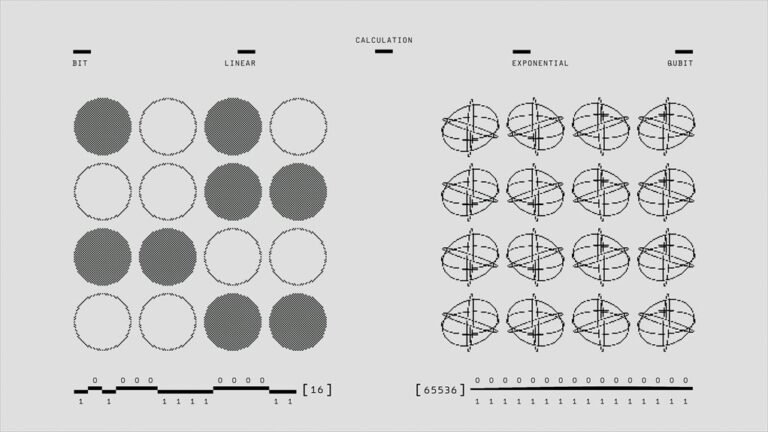
The EchoTitan Operational Grid integrates real-time decision-making across distributed data streams through a governance-driven framework. Its 18.84×18.84 modular design supports scalable, discrete units with measurable fault tolerance. The architecture emphasizes repeatable provisioning, telemetry, and proactive fault isolation to enable auditable, near real-time insights. Stakeholders from data, security, and operations can align on cross-functional workflows and governance. A practical path forward awaits, but key constraints and tradeoffs must be clarified before proceeding.
What Is the EchoTitan Operational Grid, Precisely?
The EchoTitan Operational Grid is a structured framework that defines how EchoTitan’s systems, processes, and data streams coordinate to support real-time decision-making and operational resilience.
It translates EchoTitan fundamentals into actionable governance, aligning grid topology with cross-functional workflows.
How 18.84×18.84 Shapes Scalable, Fault-Tolerant Architecture
How do 18.84 by 18.84 modular units influence scalable, fault-tolerant architecture within the EchoTitan Operational Grid? The design enables discrete scalability patterns through uniform, replaceable blocks, reducing risk and accelerating iteration. Data-driven metrics reveal consistent failure domains and recovery times. Cross-functional teams translate lessons into resilient protocols, balancing autonomy with governance, while maintaining freedom to innovate within stable, measurable fault tolerance thresholds.
Real-World Use Cases: From Nodes to Near Real-Time Insight
Real-world use cases demonstrate how EchoTitan nodes deliver near real-time insight across distributed workloads, translating modular 18.84-by-18.84 units into measurable outcomes.
The approach emphasizes data governance and user privacy, aligning cross-functional teams around verifiable metrics, auditable pipelines, and transparent decision-making.
Outcomes include faster anomaly detection, compliant data sharing, and scalable insights for autonomous operations with disciplined governance.
Implementation Guide: Deploying, Monitoring, and Optimizing
Across distributed environments, a structured deployment framework establishes repeatable provisioning, standardized configurations, and verifiable governance, enabling rapid rollouts with predictable performance.
The guide emphasizes data-driven, cross-functional decisions, balancing autonomy with governance.
Embracing emerging standards, teams perform ongoing risk assessment, implement continuous deployment pipelines, and maintain visible telemetry.
Fault isolation techniques minimize blast radii, while monitoring dashboards enable proactive optimization and measurable, freedom-loving improvement across platforms.
Frequently Asked Questions
What Are the Security Guarantees for Echotitan Data?
The security guarantees emphasize layered controls and auditable processes, ensuring data integrity through cryptographic protections, integrity checks, and access governance. It adopts ongoing risk assessments, cross-functional collaboration, and transparent incident response to maintain data integrity and resilience.
How Does Echotitan Handle Regulatory Compliance?
Compliant strategies are implemented through standardized compliance workflows and robust audit logging, ensuring traceability and accountability. The system embraces flexible governance, data retention alignment, and cross-functional collaboration, enabling secure freedom while meeting regulatory expectations across jurisdictions.
What Is the Expected Maintenance Window Frequency?
Maintenance window frequency is quarterly, with frequency controls adjustable by governance. The data-driven approach enforces predictable downtime, while cross-functional teams monitor impact, ensure minimal disruption, and uphold freedom to innovate during scheduled maintenance windows.
Can Echotitan Operate Offline or With Intermittent Connectivity?
EchoTitan can operate offline mode and tolerate intermittent connectivity, prioritizing essential analytics, local decision-making, and failover autonomy; it maintains critical workflows, supports data buffering, and resumes synchronized activity transparently when connectivity stabilizes, enabling uninterrupted cross-functional operations.
What Are the Pricing and Licensing Models?
Pricing models include subscription tiers and perpetual licenses; licensing terms emphasize entitlement scopes and renewal cycles. Security guarantees align with data integrity and access controls, while regulatory compliance is maintained through auditable processes. Offline operation supported with maintenance windows, ensuring continuous availability.
Conclusion
In summary, the EchoTitan Operational Grid delivers a data-driven, cross-functional framework that translates governance into real-time decisioning across modular 18.84×18.84 units. Its scalable, fault-tolerant architecture supports near real-time insight, telemetry, and auditable outcomes, with repeatable provisioning and proactive fault isolation. By aligning grid topology with workflows, organizations achieve continuous optimization and privacy-compliant governance. As a final nod, consider a time-traveling typewriter debugging a distributed system—anachronistic, yet oddly clarifying in guiding pragmatic collaboration.