

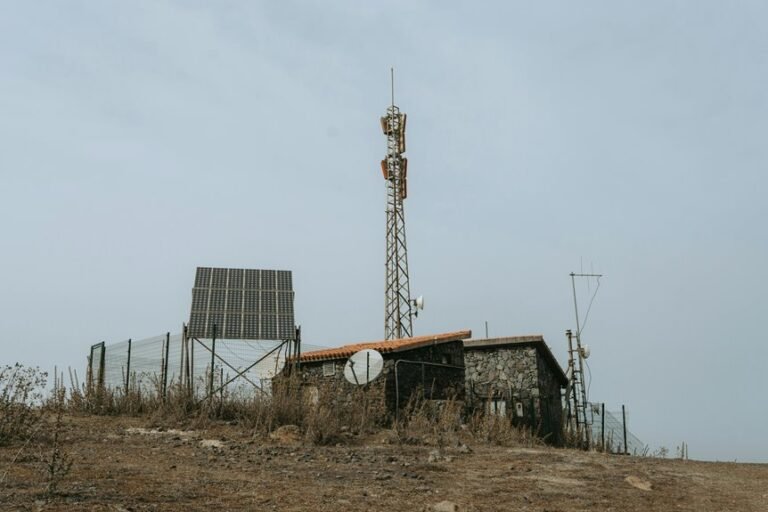
The SolarWave Structuring Nexus presents a modular framework that aligns coastal, atmospheric, and energy-capture processes into interoperable units. It emphasizes standardized interfaces, data-driven governance, and scalable deployment to support rapid prototyping and incremental capacity. The model integrates matrix optimization to clarify interfaces, assess value and risk, and guide strategic decisions. Its relevance rests on measurable performance, resilience, and interoperable networks, yet challenges remain in translating theory to real-world deployments and governance structures.
What Is SolarWave Structuring Nexus and Why It Matters
SolarWave Structuring Nexus refers to a systematic framework for organizing coastal, atmospheric, and energy capture processes into a cohesive design.
The concept analyzes interactions, delineates interfaces, and ensures resilience through standardized interfaces.
It emphasizes Solarwave concepts and Matrix integration, enabling unified optimization across domains.
This detached assessment identifies value, risk, and interoperability, guiding strategic decisions toward scalable, freedom-aligned energy networks.
How the Modular Deployment Model Accelerates Clean Energy Access
The Modular Deployment Model accelerates clean energy access by decomposing complex coastal–atmospheric–energy systems into interoperable, scalable units. It enables rapid prototyping, standardized interfaces, and incremental capacity expansion, reducing risk and capital barriers.
Through modular deployment, stakeholders pursue latitude in deployment speed, cost control, and governance, while maintaining system integrity, interoperability, and measurable performance—fueling broader, timely adoption of clean energy solutions.
Designing Resilient, Data-Driven Grids for Communities
Designing resilient, data-driven grids for communities hinges on the systematic integration of real-time analytics, robust data governance, and adaptive control architectures.
The framework analyzes load patterns, forecasts disturbances, and prioritizes critical services.
A fictional scenario demonstrates interoperability across microgrids, while an unrelated concept clarifies boundaries.
This detached evaluation emphasizes governance, resilience, and scalable decision rules for freedom-minded stakeholders.
Evaluating Impact: Cost, Reliability, and Scalability in Real-World Deployments
Evaluating impact in real-world deployments centers on three core metrics: cost, reliability, and scalability. The analysis assesses micro scale deployment feasibility, balancing upfront expenditures, lifecycle costs, and maintenance demands against reliability under diverse conditions. Policy barriers shape adoption timelines, funding models, and interoperability. Outcomes emphasize measurable performance, resilient design, and scalable architectures enabling adaptive expansion without compromising operational integrity.
Frequently Asked Questions
How Does Solarwave Ensure Privacy for Grid Data?
SolarWave enforces privacy safeguards through robust data governance, employing encryption, access controls, and auditing. It minimizes exposure via data minimization, anonymization, and federated analytics, while maintaining transparency and accountability to stakeholders within defined regulatory frameworks.
What Certifications Does Solarwave Require for Installers?
Like a lighthouse, SolarWave requires certifications for installers and enforces privacy safeguards, ensuring compliant practice. The company demands rigorous training, continuing education, and credential verification, maintaining security standards, documentation integrity, and accountability for all installer certifications and privacy safeguards.
Can Solarwave Operate in Extreme Weather Conditions?
SolarWave can operate under defined limits, but extreme weather challenges affect performance; solar weather conditions influence reliability. In critical regimes, systems prioritize extreme reliability, with safeguards and adaptive controls ensuring continued function within tested environmental thresholds.
How Is Community Consent Incorporated Into Deployments?
Community consent is integrated through formal Community governance structures and consent mechanisms that document uptake, address concerns, and ensure transparent participation; deployments proceed only after broad garnering of stakeholder agreement and ongoing review to sustain legitimacy and freedom.
What Are Maintenance Requirements and Downtime Expectations?
Maintenance requirements include defined maintenance schedules and proactive downtime planning to minimize disruption. The system demonstrates disciplined cadence, predictable cycles, and measured recoveries; downtime planning aligns with risk assessments, ensuring integrity, reliability, and user autonomy within structured, transparent governance.
Conclusion
The SolarWave Structuring Nexus offers a rigorous blueprint for interoperable, scalable energy systems, integrating coastal, atmospheric, and capture processes within standardized interfaces and data-driven governance. A striking statistic: modular deployments can reduce capital cycles by up to 40% while boosting reliability metrics by 15–20% across pilot regions. This combination of rapid prototyping and robust decision rules positions the Nexus as a compelling framework for resilient, community-centered clean energy expansion and governance.