

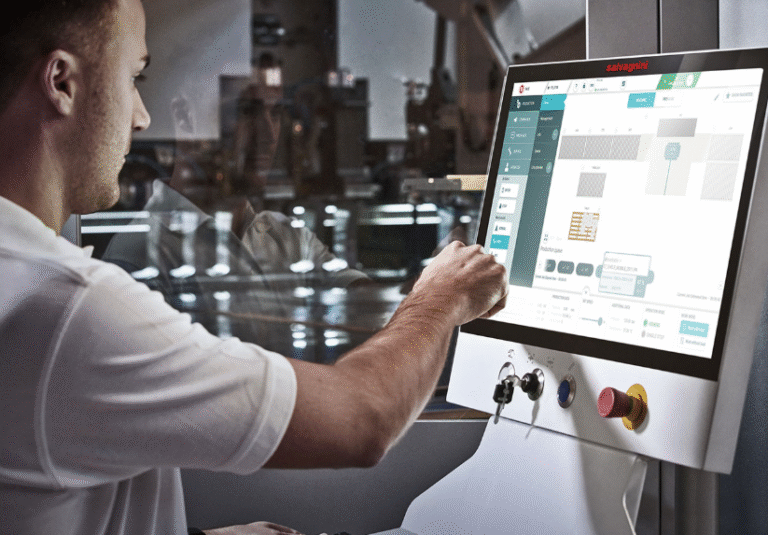
Industrial technology represents a critical evolution in manufacturing processes. It combines robotics, advanced systems, and software to streamline production. This integration enhances efficiency and minimizes errors. Real-time data analytics further optimizes operations, enabling swift market adaptations. However, the sector faces challenges, particularly in workforce adaptation and rapid technological changes. Understanding these dynamics is essential for grasping the full impact and potential of industrial technology in today’s competitive landscape. What lies ahead in this transformative field?
Key Components of Industrial Technology
The landscape of industrial technology is shaped by several key components that drive efficiency and innovation within various sectors.
Among these, automation systems play a critical role in enhancing production efficiency. By integrating advanced robotics and software solutions, companies can streamline operations, reduce human error, and optimize resource allocation.
Such technological advancements empower businesses to adapt swiftly to market demands while maintaining high-quality standards.
See also: Horse Racing Legends: Trainers, Jockeys, and Horses You Should Know
The Impact of Industrial Technology on Various Industries
Industrial technology significantly influences a variety of sectors, enhancing productivity and innovation across the board.
By optimizing supply chain management through advanced logistics and real-time data analytics, companies achieve greater efficiency.
Additionally, workforce automation streamlines operations, reducing human error and operational costs.
These advancements empower industries to adapt swiftly to market demands, fostering growth and maintaining competitive advantages in an increasingly dynamic environment.
Innovations Driving the Future of Manufacturing
As manufacturers seek to enhance productivity and sustainability, a wave of innovations is reshaping the landscape of production.
Smart automation technologies are optimizing workflows, reducing waste, and increasing efficiency.
Concurrently, sustainable practices are being integrated into manufacturing processes, promoting eco-friendly materials and energy-efficient systems.
Together, these advancements not only drive profitability but also align with the growing demand for responsible production in a competitive market.
Challenges and Opportunities in Industrial Technology
While advancements in industrial technology present numerous opportunities for growth and innovation, they also introduce a range of challenges that manufacturers must navigate.
Automation hurdles require strategic solutions, particularly concerning workforce adaptation. As companies integrate advanced technologies, they must ensure that their personnel are equipped with the necessary skills, fostering a balance between technological efficiency and human capability to sustain competitive advantage.
Conclusion
In the ever-evolving landscape of industrial technology, a symphony of automation, data analytics, and sustainable practices orchestrates a new era of manufacturing. As industries harness these advanced systems, they glide towards enhanced efficiency and innovation, akin to a well-tuned machine operating seamlessly. However, the road ahead is fraught with challenges, requiring adaptability and foresight. Embracing these technologies not only positions companies for growth but also paints a brighter, more sustainable future on the canvas of global production.