

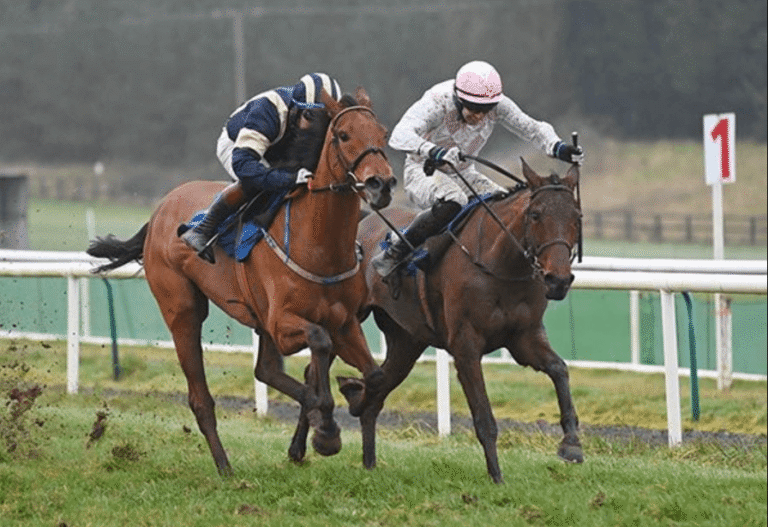
Understanding horse racing requires more than just watching the races. Fans must grasp key terms that define the sport’s intricacies. Essential phrases like “win,” “place,” and “show” impact betting strategies. Additionally, knowledge of “track surface” and “jockey signals” can influence race outcomes significantly. As enthusiasts explore these terms, they will uncover deeper layers of the sport, enhancing their overall experience and insight into the thrilling world of horse racing. What else could be relevant?
Basic Terminology
In the world of horse racing, a solid grasp of basic terminology is essential for both enthusiasts and newcomers alike.
Understanding horse anatomy enhances appreciation for the sport, as knowledge of a horse’s legs and muscles informs performance analysis.
Additionally, familiarizing oneself with jockey roles illuminates the strategic elements of racing, showcasing how skillful riders influence outcomes through their interactions with these magnificent animals.
Types of Races
Horse racing encompasses a diverse array of race types, each designed to showcase different aspects of equine speed and stamina.
Among these, flat racing emphasizes speed on level ground, appealing to those who appreciate pure velocity.
Conversely, jump racing presents a thrilling challenge, where horses navigate obstacles, testing both agility and endurance.
Each type captivates fans with its unique demands and exhilarating outcomes.
See also: Horse Racing Superstitions: Fact or Fiction?
Betting Vocabulary
Understanding the terminology used in horse racing betting is essential for anyone looking to engage with the sport more deeply.
Familiarity with betting odds and various wager types, such as win, place, and show, empowers fans to make informed decisions. Grasping these concepts enhances the betting experience, allowing enthusiasts the freedom to explore strategies and improve their chances of success at the track.
Race Track Lingo
Knowledge of betting vocabulary lays a foundation for comprehending the broader landscape of horse racing.
Understanding race track lingo enhances the experience, as terms like “track surface” and “jockey signals” reveal insights into race conditions and strategies.
Fans who grasp this terminology can appreciate the nuances of each race, making informed decisions and enjoying the thrill of the sport with greater freedom and insight.
Conclusion
In the world of horse racing, understanding terminology is akin to a jockey mastering the nuances of the track; both are essential for success. Just as a skilled rider uses signals to navigate the course, fans who grasp these terms can better appreciate the intricate dance of strategy and speed unfolding before them. As the thunder of hooves echoes in the stands, knowledge transforms the spectator into an informed participant, elevating the thrill of each race into a shared experience of exhilaration.